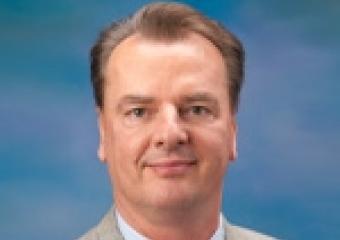
FRANK MITLOEHNER, PhD
Professor and Air Quality Extension Specialist
Department of Animal Science
University of California, Davis
View Full Bio
Department of Animal Science
University of California, Davis
DairyNutrition.ca is specifically designed for health professionals.
Not a health professional? Please visit dairyfarmersofcanada.ca or whatyoueat.ca
This annual symposium shared insights and perspectives on sustainable diets; definitions and goals, the impact of animal agriculture on environmental sustainability, particularly in Canada, and the nutritional implications of plant-based or “flexitarian” diets.
In this section, you can read the summary of the presentations or watch the webcast.
Presentation Title
Speaker

Certificate of Attendance
After watching the webcast, to receive your certificate of attendance, you can simply send an email to nutrition@dfc-plc.ca.